

- Profiles
- Production technology of livestock products
- Nonproductive animal husbandry (Cynology)
Zootechnics
Graduates who have mastered the program can carry out professional activities in the field of agriculture (in the organization of the technological process of maintenance, feeding and reproduction of all types and breeds of farm animals for the production of their livestock products, improvement of breeds and production of livestock breeding products). The main objects of professional activity of graduates: all types of farm animals, domestic and trade animals, including birds, animals, bees, fish.
Entrance examinations
The organization conducts entrance examinations in person and (or) using distance technologies (subject to the identification of applicants in passing their entrance examinations).
Schedule of entrance examinations
Course duration and fees
Tuition-free studying
Places available
- Full-time studying – 30;
- Part-time studying – 15.
Duration of the course
- Full-time studying – 4 years;
- Part-time studying – 5 years.
Full-fee studying
Places available
- Full-time studying – 10;
- Part-time studying – 5.
Duration of the course
- Full-time studying – 4 years;
- Part-time studying – 5 years 10.
Tuition per year (2023)
- Full-time studying – 45 000 to 80 000;
- Part-time studying – 45 000 to 80 000..
During your studies you will obtain
Essential skills
- Assessment of animal condition by biochemical indicators, physiological and ethological traits;
- Control and coordination of animal housing, feeding and breeding;
- Conducting a comprehensive assessment (boning) and breeding selection of animals;
- Participate in the development and evaluation of new methods, techniques and methods of breeding, feeding and keeping animals;
- Organization of primary processing, storage and transportation of livestock products;
- Planning and organization of effective use of animals, materials and equipment;
- Organization and management of works on production of livestock products;
- Participation in the development of technological programs and plans for breeding work.
Material and technical base
Two classrooms with 15 computers, classrooms for lectures, seminars, course projects (coursework), group and individual consultations, current monitoring and interim certification, laboratories equipped with laboratory equipment, as well as rooms for independent work and rooms for storage and preventive maintenance of educational equipment are used for training. Special rooms are equipped with specialized furniture and technical means of education, serving to present educational information to a large audience.
Sets of demonstration equipment and teaching and visual aids providing thematic illustrations are used for training. Computer classrooms are provided with the necessary set of licensed and freely distributable software.
Future career
After graduation, you will be able to work as
- a zootechnician;
- a breeder of pedigree cattle breeding;
- a cynologist;
- a farmer;
- a specialist in state institutions in livestock breeding.

Our Partners




Professors

Dondokova Dashima Batoevna
Lab Technician
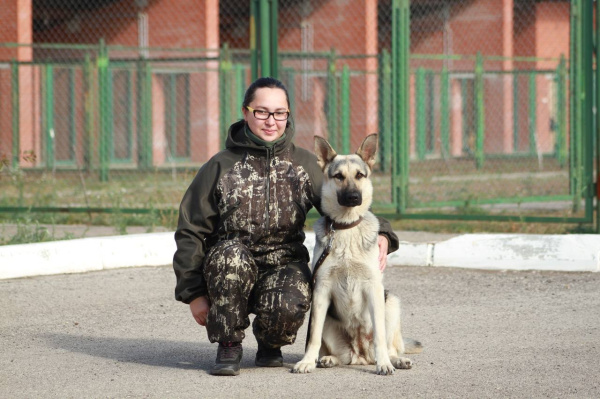
Kalaganskaya Elena Aleksandrovna
cynologist of the Buryatia Customs Service, external part-time worker
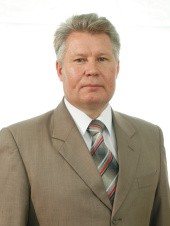
Kalashnikov Ivan Anisimovich
Professor, Doctor of Agricultural Sciences

Nazarova Evgeniya Nikolayevna
Senior Lecturer

Nasatuev Bulat Damchievich
Head of the Department, Associate Professor, Candidate of Agricultural Sciences

Sviridenko Svetlana Ivanovna
Associate Professor, Candidate of Agricultural Sciences